The FBI’s June warning describes criminals impersonating owners of vacant parcels. For real-estate professionals and landowners, the weak point is often a believable identity claim meeting a high-impact transaction.
An unexpected authenticator request does not prove your password is stolen—but approving it is not the way to find out. Here is a calm, evidence-led response for personal and work accounts.
A recovery email or phone number can become the future key to an account. Treat changes as security events, notify old contacts, and delay high-impact consequences.
A convincing sign-in pop-up can be drawn inside a webpage. The important boundary is the real browser chrome and the domain that receives authentication.
DMARC can validate authorized use of a sending domain. It does not establish that the message is truthful, expected, or approved under the recipient’s payment process.
Identify who sent the warning, remove unwanted site permissions and separate notification noise from credentials, payments or software that need a different response.
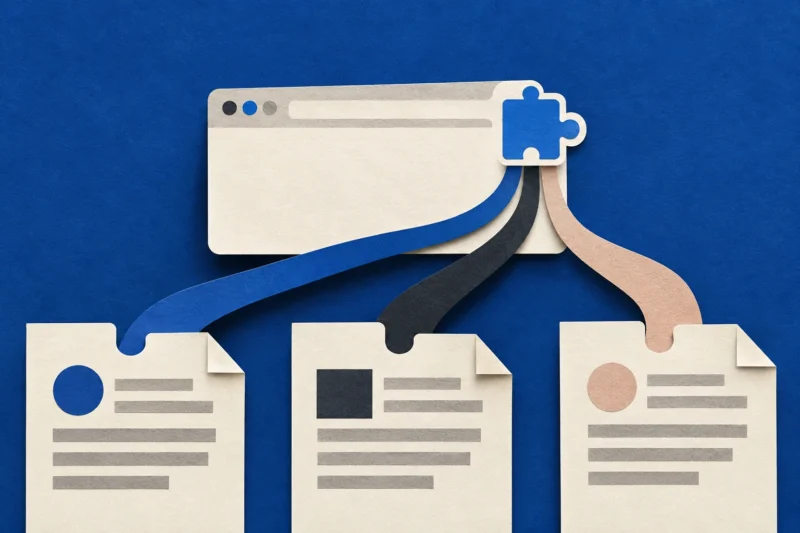
A practical permission review for browser extensions: what store listings establish, what site restrictions do and when a meeting request exceeds its authority.
A genuine identity provider can correctly process a permission request that you should never have approved. Read the app, scope and purpose as a separate access decision.
When a call sounds like someone you know, the safest question is not whether you can hear an AI artifact. It is how to check the request outside that call.