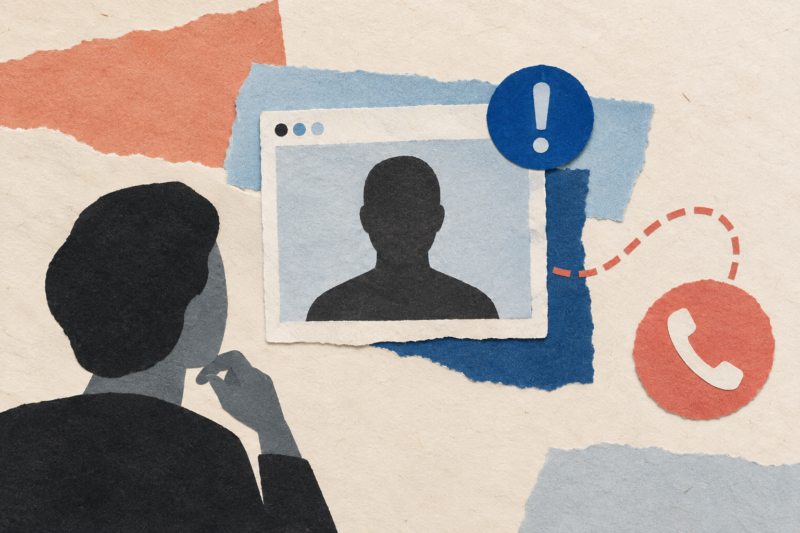
Microsoft’s Teams roadmap lists two separate meeting protections for November: identity warnings and third-party synthetic-media signals. Here is what they do, what remains unknown, and why a warning cannot replace independent verification.
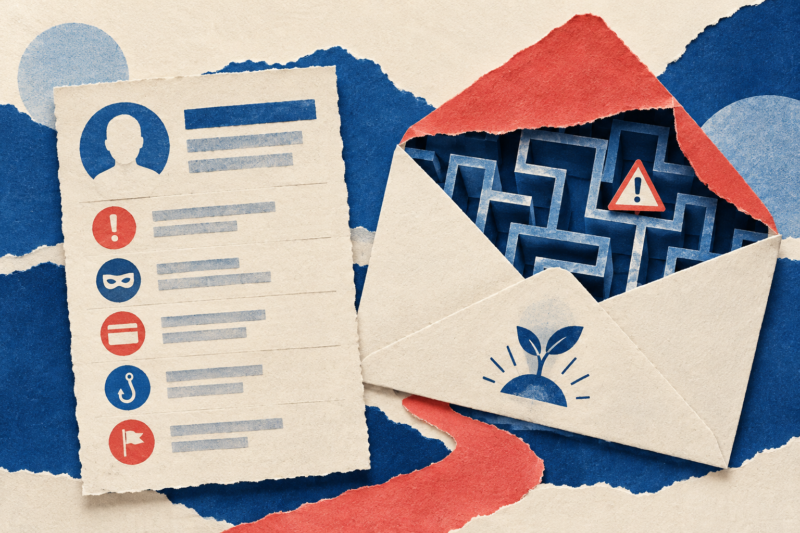
The FTC is asking whether advertising-optimization tools help impersonation scams reach consumers. Here is what the October 1 notice does—and does not—change, why users mistake paid placement for verification, and how to check an offer safely.
An unexpected authenticator request does not prove your password is stolen—but approving it is not the way to find out. Here is a calm, evidence-led response for personal and work accounts.
FTC and FBI warnings describe recovery scams that target people after an initial loss. Learn the pressure tactics, safe verification steps, and what to do if you already paid or shared information.
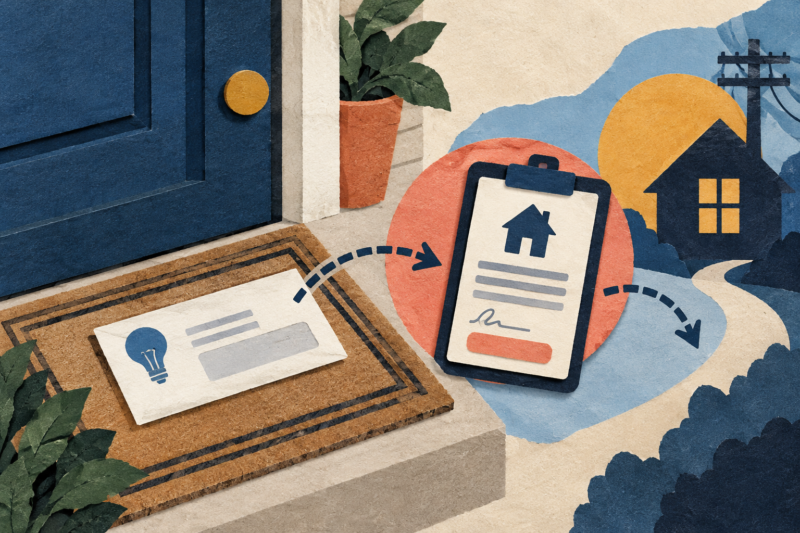
A recent doorstep pitch described as a utility “energy savings task” led to a supplier-switch contract. Learn how to verify the visitor, protect your utility account details, and check state-specific cancellation options.
A practical, non-punitive framework for visitor check-in, badge sharing, tailgating, and access exceptions—grounded in NIST controls and designed for real workplaces.
Recognition is only half the task. A short, pre-agreed script gives people a socially acceptable way to pause, switch channels, and verify without starting a confrontation.
Screenshots preserve useful context, but they can also capture codes, customer data, private tabs, location, and identities. Collect the minimum evidence through a governed route.
Legitimate confidentiality restricts information to authorized people. Coercive secrecy isolates a person from every independent check that could challenge the story.
When authentication depends on memory, transcription, inaccessible puzzles, or one device, legitimate users are pushed into informal bypasses that attackers can exploit.
A recovery email or phone number can become the future key to an account. Treat changes as security events, notify old contacts, and delay high-impact consequences.